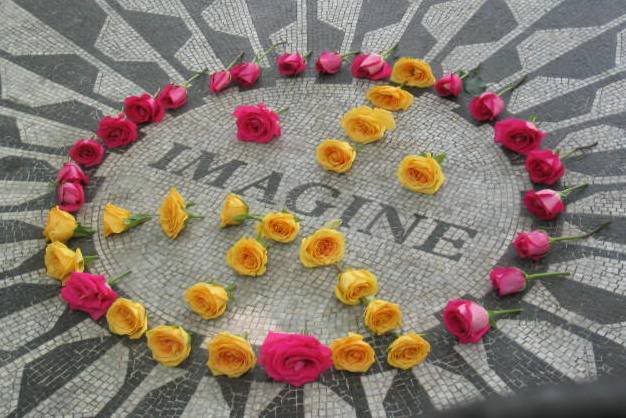
Strawberry Fields Forever

I was lucky enough to grow up as a child of the seventies. I say lucky because I was too young to worry about Vietnam. I was too young to experience that horrendous ‘come down’ from the drugged up love fest of the previous decade. And I had absolutely no idea who Charles Manson was.

Oh sure I got to wear flared hand-me-downs and leftover tie-dye; and yes we had Gough Whitlam’s ignominious exit from Parliament, Watergate, oil embargoes and nuclear disasters, but by and large it was a blissfully ignorant time of my life. The Big Mac arrived with its two all-beef patties, special sauce, lettuce, cheese, pickled onions on a sesame seed bun (my mum had to sing the song in a restaurant one evening so my sister and I could win free t-shirts). Earth Day introduced the hippy concept of environmentalism to the mainstream population. ABBA seemed to be on everybody’s playlist and Evil Knievel was leaping over cars, buses and the Grand Canyon.

Music during the Seventies was cool – mostly.

Ok, before we go any further I am NOT referring to disco with my previous statement. Saturday Night Fever may have been an iconic movie that launched the career of John Travolta but no one should ever have to wear pants that tight. And don’t get me started on Hot Chocolate. There’s no way that Heaven was in the backseat of that guy’s Cadillac.

Lets start again. Apart from Disco, music in the seventies was pretty cool.

Except for Chuck Berry’s 1972 monstrosity – ‘My Ding A Ling‘ (what was he thinking?). Oh and that ridiculous song ‘Hooked on a Feeling‘ with the unforgettable Ooga-Chooga lyrics. Actually that Carpenters song ‘Calling Occupants’ (or octopus as my sister misinterpreted) was pretty awful too. Also, why was Michael Jackson singing about a rat and was Chuck E really in love with Rikki Lee Jones? And don’t get me started on the Osmonds, Leif Garret or either of the Cassidy’s.

Ok, third time lucky. Music in the seventies was rubbish with a few notable exceptions.

Kiss was made for loving you, Stevie Wonder was superstitious, Alice Cooper welcomed you to his nightmare, Supertramp was logical, Pilot were magic and Pink Floyd finished the decade comfortably numb. My parents had an eclectic taste in music with vinyl as far as the eye could see. From the big brassy voices of Bette Midler and Barbara Streisand through to Neil Diamond, Beach Boys, Bob Dylan and the Rolling Stones.

At meal times my father would select one of his favourite albums to listen to as we shared the family meal. Hot August Night got a fair amount of airplay, as did Billy Joel’s Piano Man, the Eagles and the Doobie Brothers. But it was dad’s collection of albums by Wings that lead me to discover the Beatles and the music of Paul McCartney and John Lennon.

Abbey Road had me hooked from the moment I heard it. Soft lyrics, driving guitars, and melodies that didn’t always end with the one song but often carried over into the next. As a six-year-old boy I was fascinated by the sick and twisted Maxwell with his silver hammer, and what child didn’t want to live in the Octopuses Garden? Let It Be, the White Album and Sergeant Peppers all became regular dinner music until the rest of the family decided that enough was enough. I was given my first tape recorder that year for my birthday and promptly taped every Beatles, Wings and John Lennon album I could find.

By age nine ‘Hey Jude’ had become my favourite song of all time and still is today. I actually took Jude for my confirmation name. He is the Patron Saint of Lost Causes – kind of ironic huh 🙂
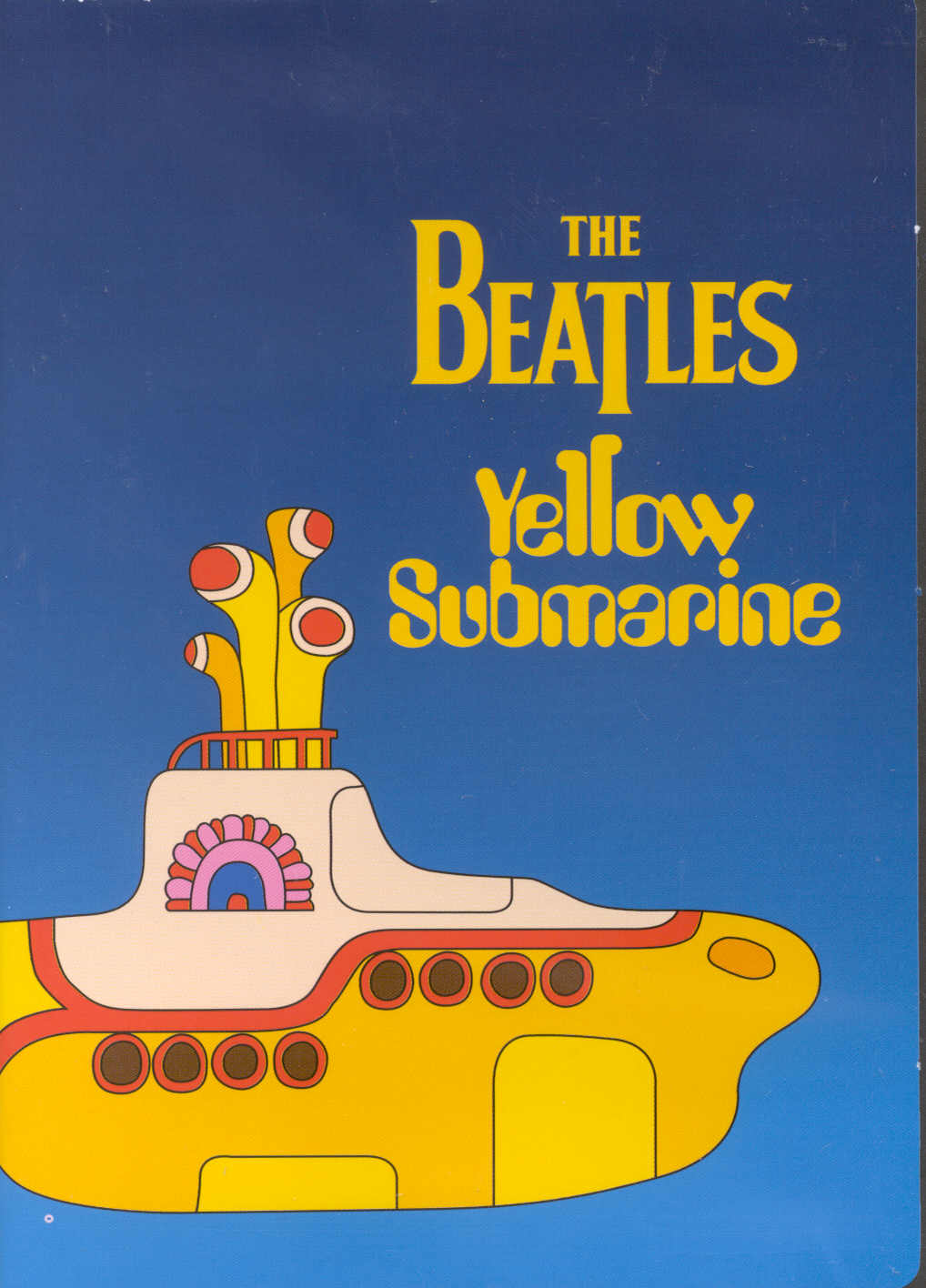
I began to read everything I could about the Fab Four, which was rather difficult and a little bit expensive without the Internet. My mother hired ‘A Hard Days Night’ and ‘Yellow Submarine’ from the local video store for me and I actually found some books in the school library. I bought albums from Wings and the Plastic Ono Band with the money I made finding and selling lost golf balls and I made sure that at least one of my tapes got played in the car on those long family vacations.

Band on the Run‘ by Wings became one of my favourites alongside Lennon’s ‘Imagine‘. There is a line in the title track of McCartney’s album where a backing vocalist sings the words ‘…if we ever get out of here’. As a child I always thought that this was John Lennon doing a guest spot on the record, although I had a lot of trouble convincing anyone else. (Have a listen and see what you think – it happens right before the instrumental that precedes the line, ‘and the rain exploded with a mighty crash’).

Recently I listened to a copy of the bootleg album ‘A Toot and a Snore in ’74’. This is the only known recording session since the breakup of The Beatles where John Lennon and Paul McCartney played together and frankly – its pretty bad. The point is, this recording was made in March 1974. ‘Band on the Run‘ was released in December 1973. Obviously the pair were at least cordial with each other so why couldn’t it have been Lennon on backing vocals?

Ok enough conspiracy theory and wishful thinking 🙂

Being young and innocent (yes I was once) I really didn’t notice, and definitely didn’t pay any attention to, the troubles that surrounded my heroes. I’m sure that the breakup of the Beatles empire was a less than savoury experience for all concerned but the only question on my mind at the time was, when will the Beatles be getting back together?

Then it happened.

I still have a vivid recollection of that horrible morning when my whole world came crashing down. It was five days before my twelfth birthday and I was getting dressed for school whilst listening to 2SM. The headlines were announced as a lead in to the full news broadcast and I did a double take when the words ‘Lennon’ and ‘pronounced dead on arrival’ were mentioned in the same sentence. The reporter stated rather matter-of-factly that Mark David Chapman had shot John four times in the back and chest at approximately 10:55pm on Monday 8th December 1980 as he walked from his limousine to the entrance of the apartment building, where he lived with his wife Yoko and son Sean. I’d missed the news on television the night before and so I was unaware of the catastrophe until the next morning, Wednesday 10th December 1980.

The big, tough almost twelve year old sat on his bed and burst into tears.

I don’t know how long I wept. I only remember stopping when the call to ‘hurry up or you’ll be late’ came from downstairs. Then I began to feel stupid, big boys aren’t supposed to cry after all. I managed to mask my misery from mum and dad during breakfast and then sat silently in the back of the car on the way to school, secretly afraid of what my friends would think.

I walked stoically onto the playground that morning, doing my best to conceal my grief, and was surprised to find that I was not the only one who was hurting. Some kids were angry, others did their best to fight back the tears, but throughout the day we all spoke about what this tragedy meant to us and we realised that we weren’t alone in our sadness.

On the news that night I watched the throngs of sobbing fans gather in Central Park and around the Dakota Building where John had lived. They were holding hands, flowers and candles. Some were singing, some were crying but all of them were united in their feelings of loss and sorrow. It was an outpouring of grief the world hadn’t seen since Elvis passed away three years earlier, and wouldn’t see again until Lady Diana Spencer was killed in the Pont de l’Alma tunnel in Paris, 1997.

There is a definite healing power that comes with sharing your anguish openly with others. I coped with the loss of my idol privately but never forgot the experience. So when Steve Irwin died in 2006 I knew what my own children would be going through and I was able to be there for them.

Thirty years later I still get a lot of joy listening to the Fab Four and their solo albums. ‘Happy Xmas (War Is Over)’ does the rounds in my house during December along with ‘Simply Having a Wonderful Christmas Time’. ‘Band on the Run’, ‘Watching the Wheels’, ‘Mull of Kintyre’, ‘All Those Years Ago’ and ‘Jealous Guy’ are classic solo songs that frequently pop up on my iPod, along with dozens of Beatles tunes including John’s hauntingly beautiful ‘In My Life‘ from the ‘Rubber Soul‘ album.

But it is ‘Imagine’, with its simplistic view for a world united in peace, love and happiness, that will often bring a little tear to the corner of my eye.

iDad Greetings from Charlotte’s Fancy

A couple of weeks ago I contacted Molly, my friend from the Net, who has a very interesting craft blog called Charlotte’s Fancy. Molly had designed a greeting card for Fathers Day called the iDad. With her kind permission, and the school holidays on the way, I have reproduced the steps to create the iDad greeting card below and provided a link to Charlotte’s Fancy for those of you with more talented hands than I.

This slideshow requires JavaScript.

To create the card you will need the following supplies:

  • Black cardstock
  • White Cardstock
  • X-acto knife
  • Cutting mat
  • Spray Glue
  • Markers

Step 1: Take two pieces of 8.5 x 11″ black cardstock, and sandwich a piece of white cardstock in between, then cut rounded corners. You may want to take out the white piece and cut it down a little further, so that it doesn’t show along the edges. Use spray glue to secure the white cardstock to the bottom piece of black cardstock and set aside.

Step 2: Find some iPad/iPhone icon images online and print them out on cardstock (you will have no trouble finding these on Google). In a Google image search, look for medium or large images, so that the resolution is decent. Once you print them out, cut them out.

Step 3: Arrange the images on your top piece of black cardstock, then glue them down in the order you want them with spray glue. Let dry for a couple of minutes.

Step 4: Using a cutting mat and X-acto knife, carefully cut along the sides and the bottom of each icon to create lift up flaps.

Step 5: It’s time to glue the top piece to the bottom piece. Spray glue very carefully on the back of the top piece, being careful to avoid the areas where the lift up flaps are (you don’t want to get glue in the area where you will be writing your messages).

Step 6: Once you glue the top and bottom pieces together, draw the little button at the bottom (I used a silver Sharpie), and trim the edges to make the whole presentation neat. Then you can write whatever messages you like under the flaps.

Finally, I printed “iDad” onto a piece of paper, cut it out with an X-acto knife and glued it to the front of the presentation envelope.

My Interview with Publishers Australia

For those of you who don’t already know, my company, Creative Folks, specialises in workflow solutions for printers, publishers, ad agencies, graphic designers and video production companies throughout Australia and New Zealand. This includes print, online and iPad app creation tools used to produce all the magazines on display in this post. Back in October I was interviewed by Ms. Jill Park from Publishers Australia about digital magazine creation. With kind permission from the PA Board, here is a copy of the transcript for your enjoyment.

What makes a good/bad iPad app?
The iPad is all about maximising the end-user experience. A good iPad app should offer the consumer more than just a digital replica of the print copy. When gathering content for an article or story there is likely to be several photographs and extended text other than the few hundred words allocated to the page. There may also be historical content, video archives and audio files that offer relevancy to the subject. Print does not allow the publisher to take advantage of this extra material but the iPad allows you to present it with your own creative style.

Why should magazines create their own apps?
There is an art to magazine creation. The combination of photography, typography, design and editorial skills defines the quality of the product. With the right tool set in place, publishing companies are more than capable of producing their own apps and therefore controlling their own creativity.

However, internal app creation is not going to be a suitable business model for every publisher. Small teams on tight deadlines may find it easier and more cost effective to outsource the app creation to third party companies that offer these services at reasonable prices.

Is there a great demand for iPad apps for magazines?
Definitely. A quick search for the word ‘magazine’ on iTunes will deliver the user hundreds of results in various languages from niche titles to major brands such as Time, GQ, Wired and People.

How should the content differ for the print and iPad version?
The iPad offers a whole new level of creativity for designers. Photographic slideshows from the red carpet, video of the latest Lamborghini test drive, celebrity interviews, live sport results, social media interaction, even a dynamically updating TV guide are just some of the examples of how the content can differ from the print version.

The iPad has thousands of funky apps already available from astronomy to some very addictive games (have a look at Angry Birds and you’ll see what I mean). The point is, there is a lot of eye candy on the App Store so if you want the consumer to continue purchasing your product over all the other options available to them, then you need to offer them more than a high-resolution jpeg of the printed page.

What do editors looking to create their own apps need to consider?

Editors need to think beyond the page, which is something they should be used to doing considering that a lot of magazines have their own web site. A food magazine may want to include a step-by-step video of the featured recipe. A music title may want to include snippets from the cover band’s latest album or concert. Fashion shoots will want more than that ‘one good shot’. Gather and collect as much content as you can because that gives you more choice.

Don’t to it halfheartedly though. No video content is better than a few links to some low resolution YouTube clips.

Are these considerations different for apps for other devices?
Not really. The big difference will be the ability to use Adobe Flash in the other tablet devices.

How does the WoodWing app software work?
WoodWing believes that good app design comes from good designers. They provide plug in tools for Adobe InDesign to enable the user to create the layouts and make best use of the available content. WoodWing Content Station allows the designer to adjust page positioning to ensure that the app flows smoothly for every swipe and tap; and provides an overview of the publication before the app is created. WoodWing Enterprise manages the collaboration within and between the design and editorial teams; and their Digital Magazine Server creates the app once the final design and layout has been approved. It is a simple process that involves very few steps, but one that gives control over the creativity of the app back to the designers, which is where it belongs.

Does it work across non-iPad devices?
It will as soon as the other devices become readily available. (postscript: WoodWing announced on October 6th that they had a cooperative agreement with Samsung to bring digital publications to the Galaxy Tab. Click here to read more.)

Is it suitable for publishers of all sizes?
WoodWing is an inexpensive modular solution. You don’t need to be a large publisher to use their products.

Which iPad apps for magazines do you think work best? Why?

Apps are continuously evolving and what works best for some may not be right for others. The original Time Magazine still offers video content, extra photos, extended editorial and engaging advertising. It is available to be purchased through a digital storefront and much of the extra heavy-duty content, such as audio and video files, is accessed as required when the user is online. WIRED, on the other hand, gives you absolutely everything in one humongous download. Both solutions work well. Sports Illustrated gives their readers access to a live scoreboard whereas Net-A-Porter provides a fashion shopping experience complete with product descriptions and editor’s recommendations.

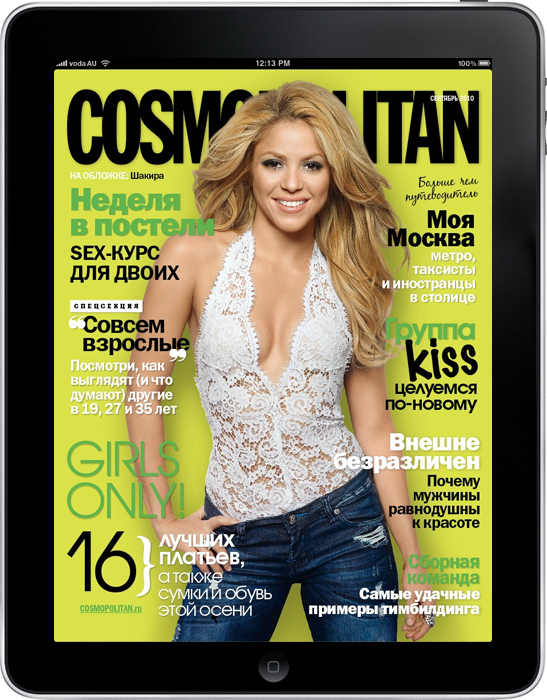
Recently released apps have become more of a hybrid solution that incorporates HTML5 technology to provide breaking news or animation for their covers and internal pages. For examples of these have a look at the Dutch apps Veronica and Auto Week or the Russian version of Cosmopolitan. Veronica launches with an up-to-the-minute TV Guide and the current version of Auto Week has a Lotus Evora winking at you with its halogen headlights.

Cosmo uses a lot of animations within the pages of their magazine to create a unique and highly-engaging end user experience. Scrollable text columns in transparent overlays keep the photography visible underneath the article without impeding the readability of the story. Fashion hotspots provide the reader with extra product information when they tap on the models boots, skirt, accessories, etc. Even the advertisements have been upgraded with extra content. There is one article about Autumn fashion, I think – my Russian is not too good :-), where pastel coloured leaves fly around behind the text as if blowing in an invisible breeze (pictured). Cosmo really is one of the most creative pieces of magazine app design I have seen so far.

Some publications however have opted for a more simplistic approach. Jaguar Magazine has only a small number of pages but its content is laid out in a very stylish and elegant manner. The Guardian Eyewitness app offers the end user beautiful photography with tips on how the image was captured.

There are also some excellent examples of newspaper apps from the Australian, the New Zealand Herald and the Malaysian Star, to name but a few.

My advice to publishers is to research what’s available on iTunes already. Download titles that are similar to yours, and some that are vastly different as well. That will help you to get a feel for what features are available and what works best. Just because you CAN do something doesn’t mean you should.

Is there anything editors could learn from non-magazine apps? Please give examples.
Oh sure. Apps like Blogshelf and Flipboard present content in a clean and easy to read environment. Discover by Cooliris gives Wikipedia a makeover with article searching, rotatable pages that offer extra information such as maps and statistics, historical bookmarks, and daily cover changes. Apps such as the ABC and NPR bring news feeds to life with audio and visual content as well as the ability to share articles via email and social media. The Guardian Eyewitness app, as I mentioned before, demonstrates the iPad’s ability to display dazzling photography.

How can people monitor subscriptions?

Subscription management is the current hot topic for iPad publishing. Apple don’t offer a subscription mechanism at this stage so the best way to manage it is probably to emulate People Magazine. They have linked their iPad app to the print subscription so their customers can input their user ID and download the iPad app for free. If the user is not a print subscriber then they can buy the issue from iTunes and transact the purchase through Apple’s systems.

Creative Folks are a Strategic Partner of Publishers Australia.

About Publishers Australia

Publishers Australia is a non-profit trade association that represents the leading B2B, specialist B2C, custom and digital publishers in Australia.

We currently have over 120 publisher members who produce more than 800 consumer, business and customer publications in total.

We have developed a powerful network of national and international alliances across the creative industries to keep our members up to date on matters that affect them.

We inform our members of industry trends; defend them against unnecessary regulation; and promote the editorial and financial health of our industry.

We have a strong interest in training and development through seminars, workshops, event keynotes, Excellence Awards, and an annual conference as well as access to a range of learning resources.

As publishers are becoming multimedia, cross-platform brands, we aim to guide our members into the future by providing advice on the digital revolution reshaping our industry.

Remembrance Day

At the 11th hour of the 11th day in the 11th month we acknowledge those brave men and women who fought and died for their country, with a minutes silence.

Today is Remembrance Day. Originally proclaimed Armistice Day to commemorate the end of World War 1 the name was changed in 1945 as a fitting representation for all people who died or suffered during any war or armed conflict.

ANZAC Poppy

I don’t know who made this quote but on a day like today I thought it was fitting to post it here.

It is the VETERAN , not the preacher, who has given us freedom of religion.
It is the VETERAN , not the reporter, who has given us freedom of the press.
It is the VETERAN , not the poet, who has given us freedom of speech.
It is the VETERAN , not the campus organizer, who has given us freedom to assemble.
It is the VETERAN, not the lawyer, who has given us the right to a fair trial.
It is the VETERAN , not the politician, Who has given us the right to vote.

According to the Australian War Memorial there have been 102,814 deaths during wartime from the 1885 conflict in the Sudan through to the current hostilities in Iraq. These people are listed in the Roll of Honour which lines the Memorial’s Commemorative Area, but does not include civilian casualties.

With such a small population it would be hard to find an Australian family who hasn’t been touched by the horrors of war. Our family certainly was.

My Great Grandfather, William James Roseland, died of his wounds in a field hospital in France. He was a driver in the Australian Field Artillery 1 Brigade and is buried in the Mont Huon Military Cemetery, Le Treport, France. Official date of death is the 14th August 1918, less than three months before the cease fire.

My Grandfathers fared a little better. Both of them returned from World War 2 alive yet suffered nightmares from the scenes the witnessed.

My father’s generation were involved with Vietnam and although none of his friends were killed in the conflict there are still those who, when asked about their experiences, develop a dark brooding stare and lapse into silence.

My generation has had to deal with East Timor, Afghanistan and Iraq with at least fifteen deaths so far. That’s fifteen sets of parents who have lost a child, fifteen wives and girlfriends who have lost a loved one, and several little children who have lost the love of a parent.

William left behind a loving wife and a son who never got to know his father.

Unfortunately this story is far too common, so I ask you all to share a minutes silence with me in memory of everyone who gave their lives in service of their country and the families they left behind.

Lest We Forget!

iDad – The Bare Essentials

Sorry I didn’t post anything new for you all last week. I ended up in New Zealand on business and time simply got away on me. The good news is that iDad found himself being published in the online magazine Bare Essentials. Chief Editor Ms. Inga Yandell is an amazing woman with a passion for fitness and nature, who produces an eco-friendly bi-monthly title centred around adventure and lifestyle. After reading some of my work Inga asked me to contribute to the Inspiration / Knowledge section of her magazine and I was very happy to oblige.

For a sneaky peak at Bare Essentials please click on the image of iDad. The password is wolves16 and iDad is on page 79

About the magazine.

Bare Essentials Magazine embodies the philosophy that the natural world is rich in resources and by recognizing and respecting our wild heritage our spirits will be free to enjoy and experience more.

“Bare Essentials is dedicated to effective exercise and education that supports independence and strength of character!”

Our back to nature resource centers on improving self-image through appreciation for newly developed skills and abilities whilst raising funds and awareness for wildlife.

Serving up a combination of adrenaline sports, extreme nature and pure action.

To subscribe to Bare Essentials click on the banner below.